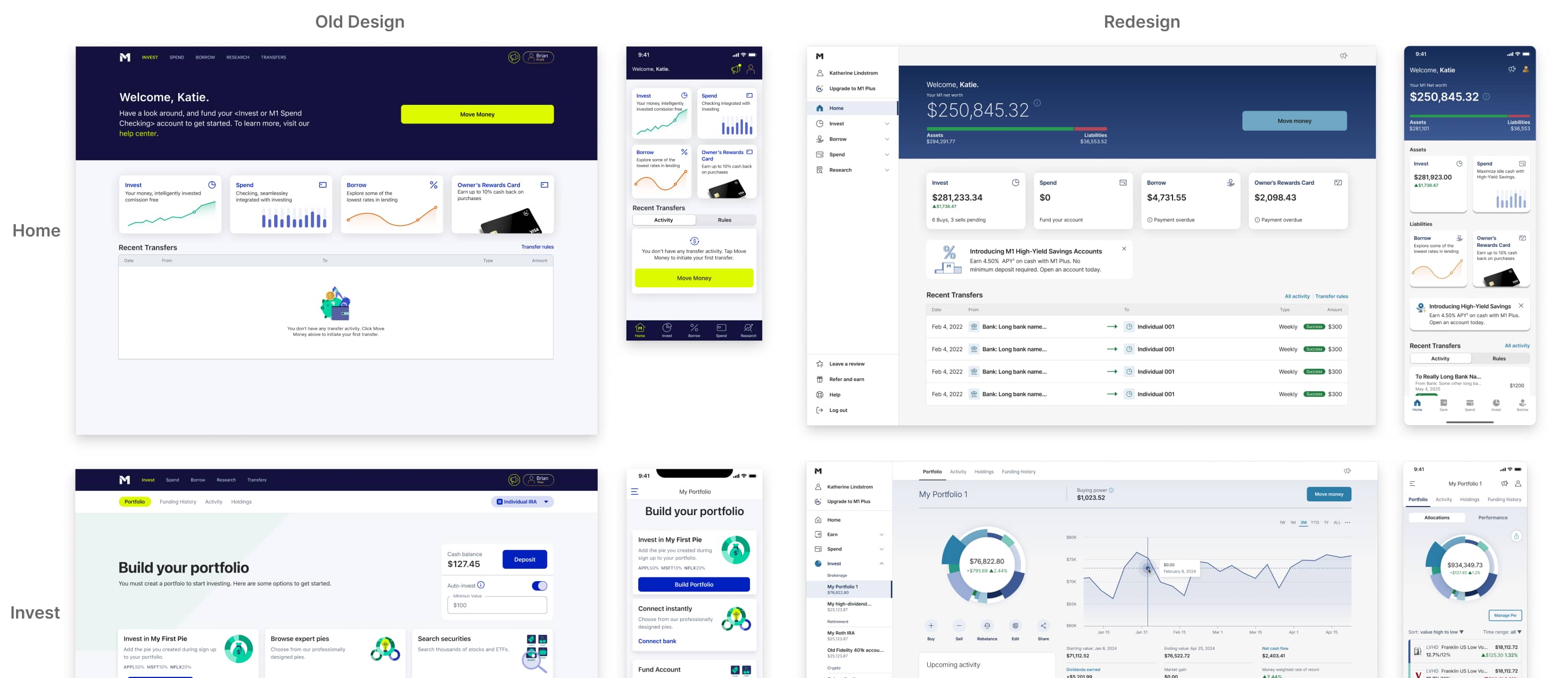
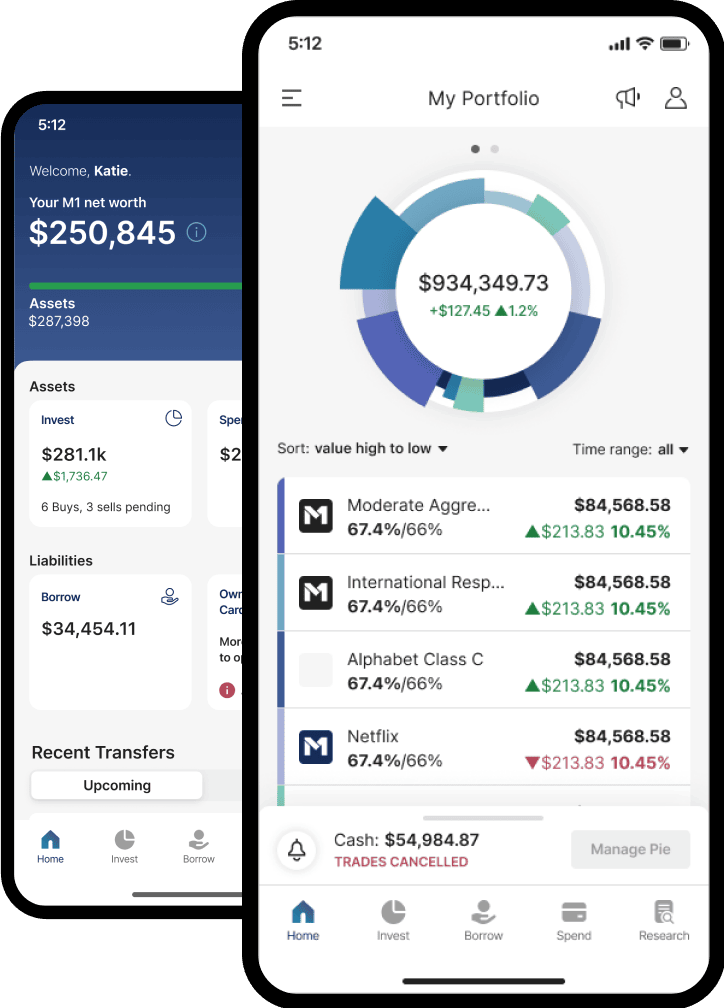
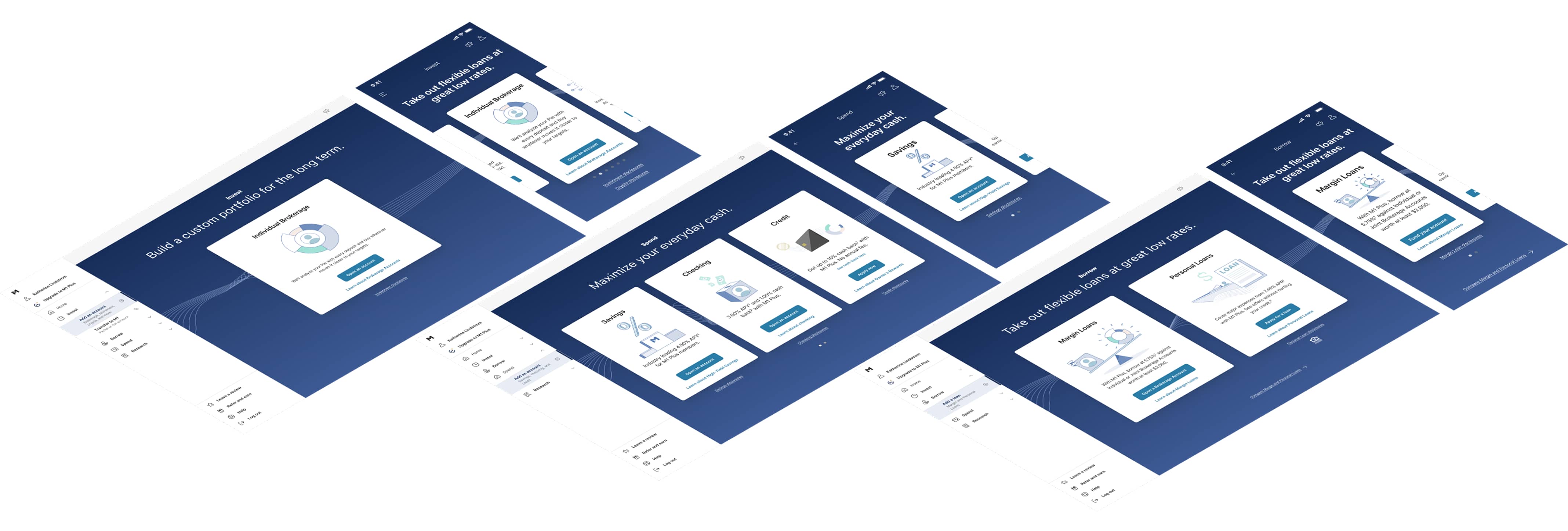
Executives wanted an upgrade to match our premium brand, we needed an overall redesign. Engineering leadership supported the overhauling the codebase to improve performance and reduce technical debt. Design leadership wanted to mature our brand to feel more premium and trustworthy. I saw the opportunity to align these initiatives with Liquid adoption.The strategy: Use the redesign as the vehicle to rebuild every pattern and style on top of Liquid. This would force adoption while simultaneously elevating our brand.
Over nine months, I led the redesign while simultaneously:
- Redefining our foundational elements (color, typography, spacing)
- Rebuilding components to reflect our premium positioning
- Documenting everything in both Figma and Confluence
- Training designers and engineers on the new system
This wasn't just a visual refresh—it was a complete rearchitecture of how we built products at M1.
For most of the project, I operated solo—building components while also managing governance, advocacy, and adoption. This dual role was challenging but strategic. The breakthrough: When I presented our 30% efficiency improvement metric to leadership, it unlocked resources. I was promoted to Design System Manager and given a designer to manage and a PM to help with backlog management and communications.
The impact went beyond metrics. Liquid became part of M1's identity—we even made t-shirts. It transformed how teams worked together and established design as a strategic function, not just a service organization.
The Success of Liquid led to:
- My promotion to Design System Manager
- Expansion of the design system team (designer + PM)
- Extension of Liquid to marketing assets (underway when I left)

The most important lesson: a design system is not a project with an end date. It's living infrastructure that evolves with the organization. Success isn't building it—it's maintaining momentum and adoption over time. It's Really About People!
The technical work of building components is table stakes. The harder, more important work is:
- Building coalition across disciplines
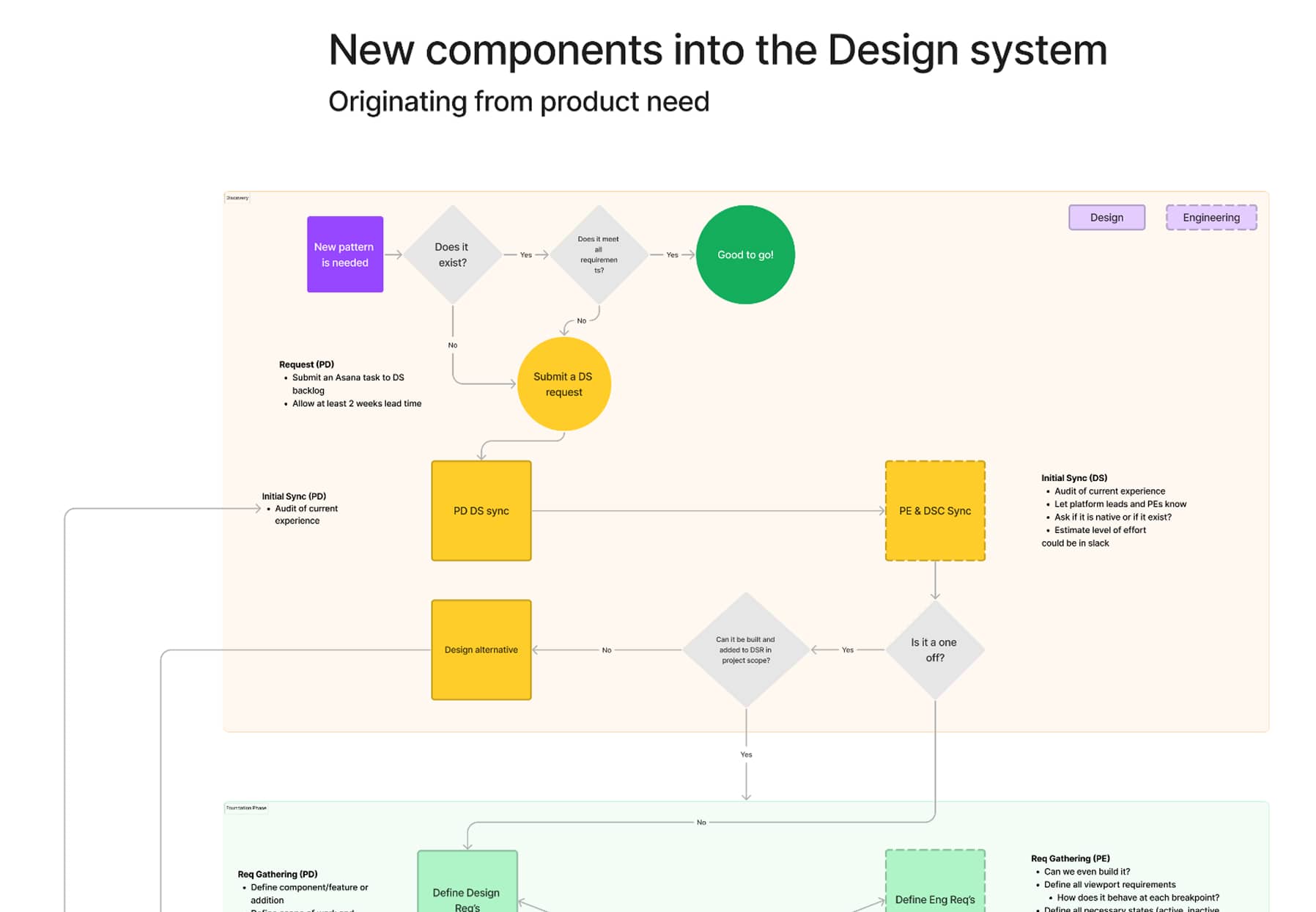
- Creating clear governance and contribution models
- Maintaining adoption through education and advocacy
- Tying the design system to strategic business initiatives


.png)
.jpg)