Circana
Enterprise Design System

Circana Design System—a nine-month initiative that transformed how we build digital products. This project addressed fundamental challenges around consistency, quality, and accessibility across our enterprise analytics platform.
Invest light and dark
Circana is a global leader in consumer intelligence, providing analytics and insights that help the world's leading brands and retailers understand consumer behavior. With thousands of clients relying on their data platforms to make critical business decisions, the need for consistent, accessible, and high-quality digital experiences became increasingly urgent as their product portfolio expanded.

The Problem

Building a scalable foundation for data-driven product experiences

As Circana's suite of analytics applications grew, so did the fragmentation across their user interfaces.

The challenge was compounded by the nature of Circana's business. In a fast-moving analytics space where data visualization and complex interfaces are core to the product experience, teams needed a system that could adapt quickly while maintaining quality.

What I observed:

  • Each new feature or application meant reinventing solutions that had already been solved elsewhere in the organization
  • Inconsistent UI patterns across applications
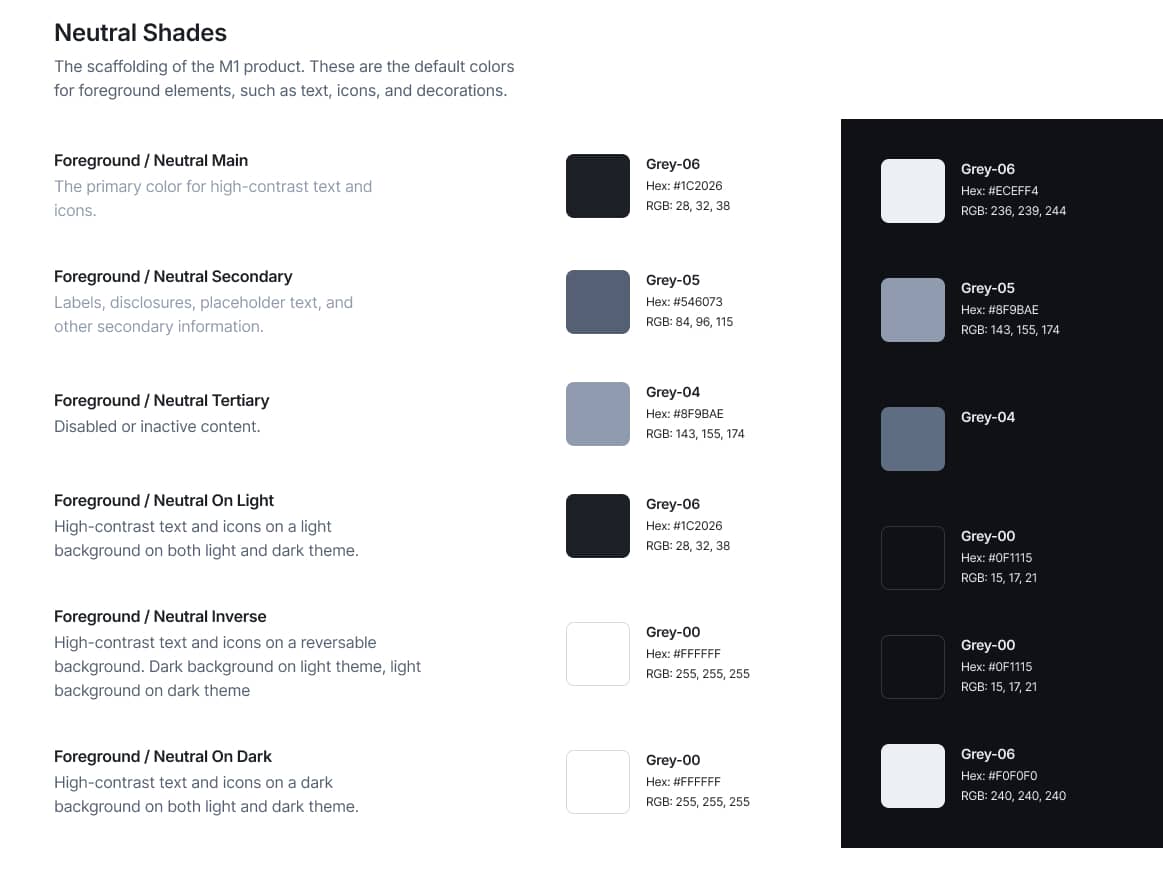
  • Our core elements were not WCAG compliant

Impact & Outcomes

50%

Design-to-engineering handoff time was cut in half

45 core components

Components that account for 80% of screens

Accessibility

Redesigned foundations to be AA WCAG compliant

Quality

Cross-product consistency improved measurably

Unique Challenges

Fast-moving analytics business

The challenge was compounded by the nature of our business. In a fast-moving analytics space where data visualization and complex interfaces are core to the product experience, we needed a system that could adapt quickly while maintaining quality.

Team makeup

  • Need for rapid adaptation
  • Complex data visualization requirements
  • Distributed global teams (India-based engineering)
  • Bridging geographical and knowledge gaps

Project Scope

9-month initiative

Over nine months, I led the creation and implementation of the Circana Design System, working closely with engineering teams and analyst stakeholders to build a comprehensive foundation that would scale across the organization. The system was architected with accessibility as a first-class concern, not an afterthought. This required establishing clear standards and comprehensive training to ensure successful adoption across distributed teams.

Foundations

We needed to improve our design to reflect our premium brand, and move beyond functional to inspirational

Components

Help our teams be more efficient and consistent and reduce duplicative work

Layouts

A design system is only valuable if it's used, we wanted to scale across the organization

Foundation Components

Accessibility-first architecture
  • WCAG compliance from ground up
  • Color contrast ratios
  • Keyboard navigation patterns
  • Screen reader support
  • Focus management

Analytics-Specific Components

Purpose-built data visualization library
  • Line graphs, bar charts, scatter plots, heat maps
  • Colorblind-safe palettes
  • Proper labeling and alternative representations
  • Flexible yet accessible

Training & Enablement

Global team enablement
  • Comprehensive training materials
  • Hands-on workshops for India-based teams
  • Component composition training
  • Accessibility testing practices
  • Extension best practices

Impact

While we were building Liquid incrementally, adoption was slow. Components existed, but teams weren't consistently using them. We needed a catalyst.

Transforming how we build products

The Circana Design System transformed how the organization builds digital products—creating a foundation that balances consistency with flexibility, raises the quality bar for accessibility, and allows teams to move faster while building better experiences for the analysts and business users who depend on their tools.

Accomplishments

  • Foundation for consistency with flexibility
  • Elevated accessibility standards
  • Faster delivery of better experiences
  • Empowered teams across the organization